
 In ancient Macedonian history, the final trio of Antigonid dynasty monarchs – Philip V, Perseus and claimant Andriscus or Philip VI – who reigned from 221 BC to 148 BC between them, are often overshadowed by their renowned predecessors, Philip II and his son, Alexander the Great, who ushered in the era of the Macedonian empire.
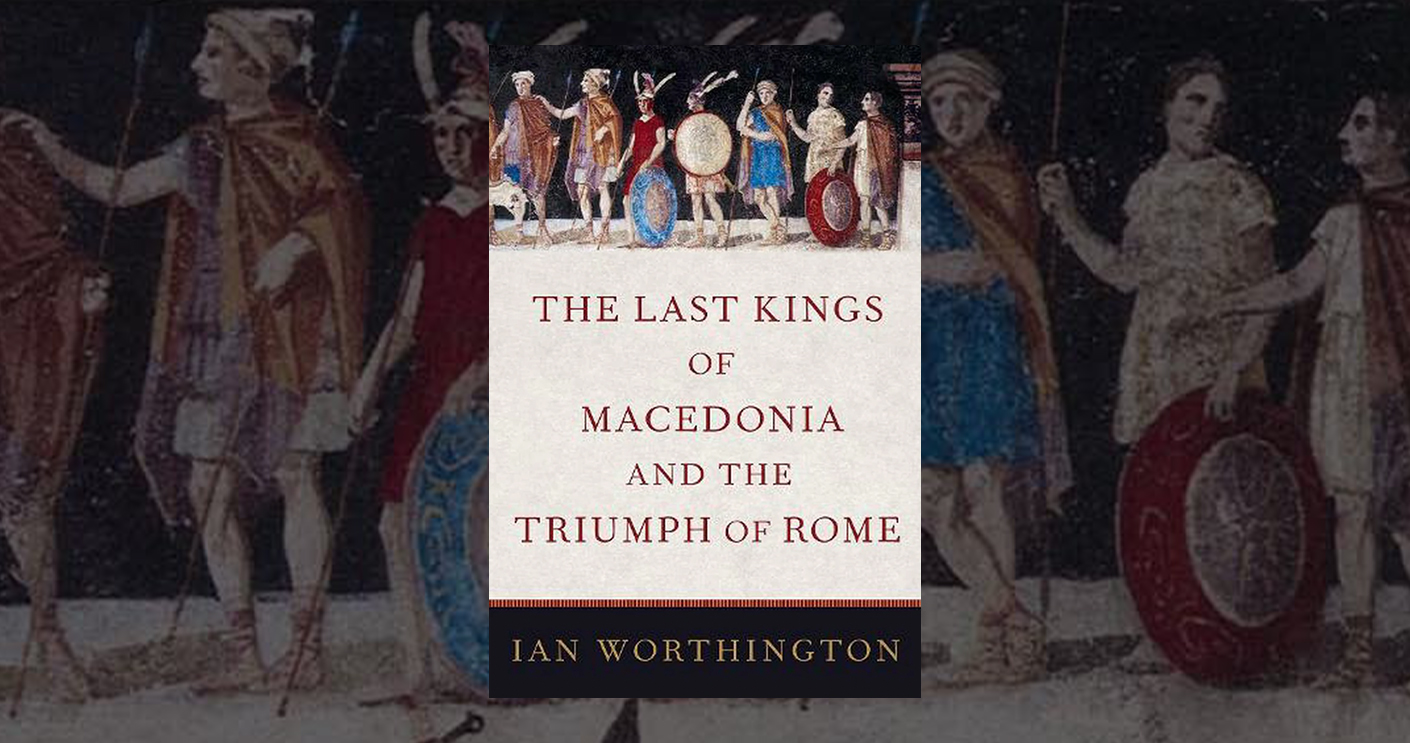
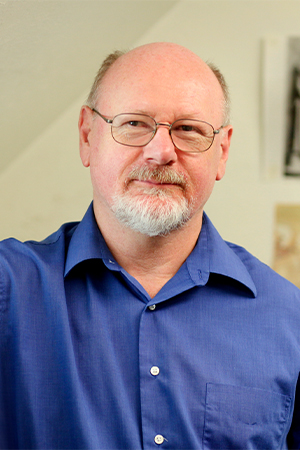
In his work, The Last Kings of Macedonia and the Triumph of Rome, Professor Ian Worthington undertakes a comprehensive reassessment of these three monarchs, challenging the truth of disparaging depictions of them.
When Philip V ascended to the throne, Macedonia had ceased to be an imperial powerhouse, while the Roman Republic was rapidly extending its dominion across the Mediterranean. These last Macedonian kings are typically depicted by historians as having self-serving ambitions and flawed policies, and are condemned for their defeats at the hands of Rome, events that marked the downfall of the formidable Macedonian phalanx.
“Four or five years ago, I had not considered writing a book about the last kings of ancient Macedonia and how they and their dynasty were victims of Roman imperialism,” says Professor Worthington. “But history is a powerful teacher and influencer. Rather than seeing them as collateral damage in the rise of the Roman Empire in the east, I show they are kings for all ages who give us a potent example of doing the right thing: standing up to any belligerent foe, no matter the odds.”
Professor Worthington provides the first comprehensive analysis of Philip V in more than eight decades and the first English language analysis of Perseus and Andriscus in more than half a century. He argues that this period should not be relegated to the status of an epilogue to Macedonian greatness. Even though Rome possessed significant military and logistical strengths, Philip and Perseus often maintained the advantage in their clashes with Rome.
Professor Worthington underscores the importance of acknowledging these monarchs for their endeavours to protect their kingdom’s independence when faced with such challenges.
Read the book online here.
 Back to homepage
well done, Ian! a wonderful, scholarly accomplishment, worth celebrating.