Macquarie named a Nature Positive University
We are proud to announce our acceptance into the globally renowned Nature Positive Universities Network (NPUN).
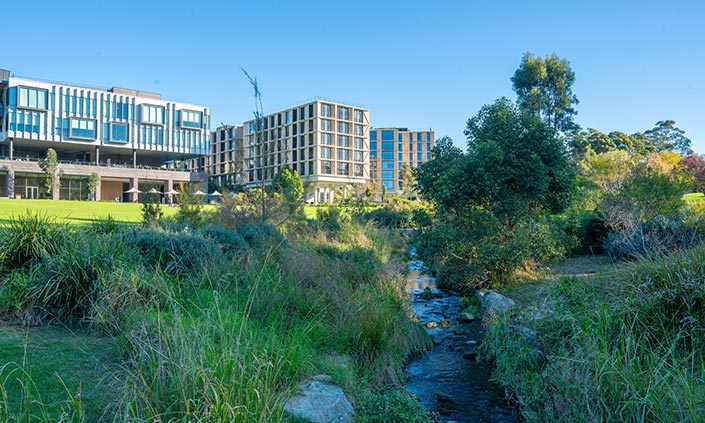
This milestone reaffirms Macquarie’s leadership in sustainability and biodiversity conservation, joining leading universities around the world in advancing nature-positive practices.
The NPUN initiative, led by the University of Oxford and the United Nations Environment Programme (UNEP), brings together higher education institutions committed to reversing nature loss through tangible actions on their campuses and beyond. By signing the Nature Positive Pledge, Macquarie University strengthens its role in supporting the United Nations Decade on Ecosystem Restoration, a global mission to prevent, halt, and reverse biodiversity loss by 2030.
The University is also set to participate in the Campus Biodiversity Network (CBN), a global initiative using iNaturalist to unite citizen science biodiversity efforts across NPUN institutions.
Biodiversity champions on campus
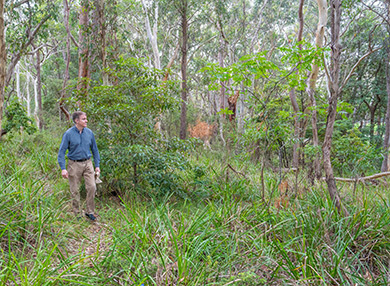 Macquarie University’s Wallumattagal Campus has become a living laboratory for conservation, demonstrating the principles of sustainable development and biodiversity in practice. Through targeted ecological projects, the university is restoring 3.5 hectares containing endangered Sydney Turpentine-Ironbark Forest. The campus’ Mars Creek area, now brimming with vibrant flora and native bird populations, underscores the success of Macquarie’s sustainability initiatives.
This latest milestone follows previous global recognitions such as being awarded highly commended at the 2025 Australasian Green Gown Awards, as well as ranking first in Australia for campus biodiversity for its efforts to develop and safeguard its campus ecosystems.
At the heart of this work is The Australian Harmony Centre for Ecosystem Futures, a ‘nature-first’ hub launched in partnership with The Circular Bioeconomy Alliance to foster innovative research and restoration strategies. Projects such as Frog Saunas, developed to combat the deadly chytrid fungus affecting amphibians, and ReHabitat Pods, biodegradable shelters designed to protect small wildlife, exemplify Macquarie's vision of turning research into real-world solutions.
“The Harmony Centre aims to develop and showcase innovative and wholistic nature-repair solutions at terrestrial and aquatic living laboratories,” says Professor Michelle Leishman, Director of the Harmony Centre.

The Wallumattagal living lab is a great example of the amazing nature-repair potential within an urban context. We are excited to join the global university community pledging to achieve positive biodiversity and nature-repair outcomes.
Professor Michelle Leishman
Director of the Harmony Centre
A bold commitment
Through ongoing restoration work, innovative partnerships and active community involvement, Macquarie University is charting a bold course toward achieving its goal of rewilding our northwest remnant, with high ecological integrity expanded by at least 25 per cent, to reach 74 per cent by 2028.
These efforts underscore the University’s commitment to ecological sustainability and to inspiring its students and staff to actively contribute to preserving our planet for future generations.